



What the month allows.
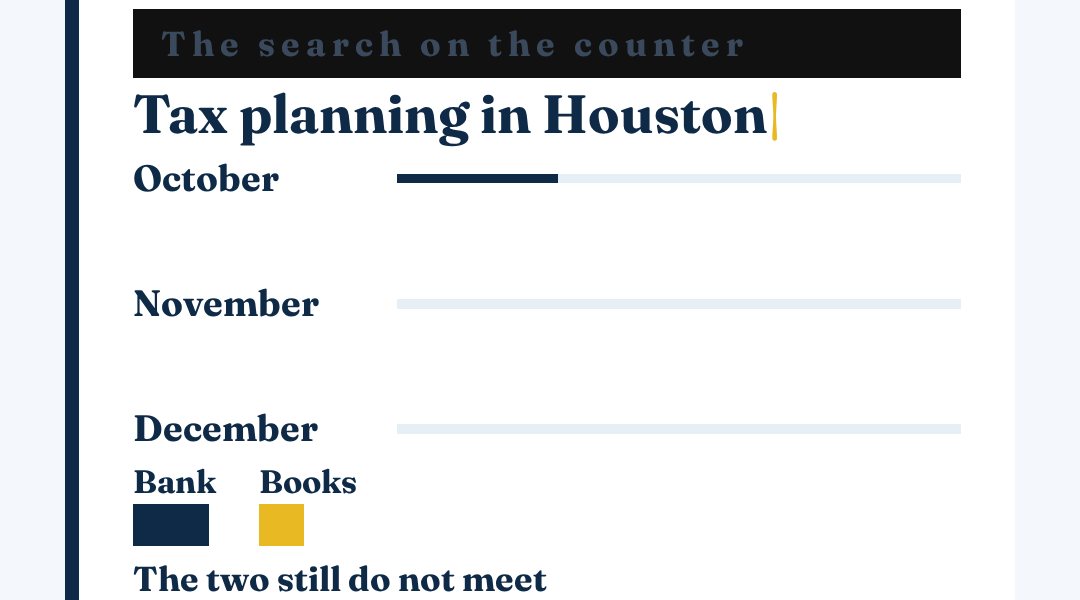
Open the month
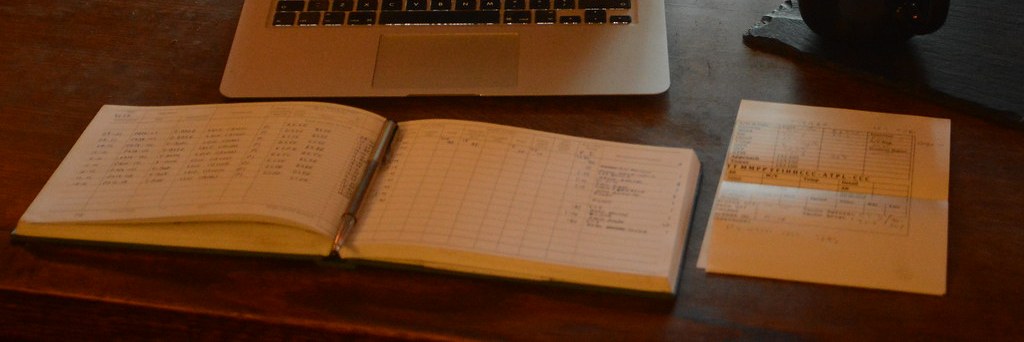
A closed month is a month whose bank, card, and sales records agree with the books. Until that agreement exists, a pay figure is a guess and a contribution is a wish. We finish the open months first. When those open months are the wrong job for this practice, we name that and the work stops.
Once the month matches the bank statement, you can write the three choices. What you pay yourself. Whether the retirement account gets funded this year. How much of the next estimate goes out in January. Each one gets a number on the same page as the month that supports it.
Hermann Park's October lawn is the quiet one, and Miller Outdoor Theatre and the Houston Zoo stay at the south end of the Museum District. We are all Texans, so that cooler week is easy to picture on the video we share with you. We spend it on owner pay only after the month already matches the bank.
Buffalo Bayou Park runs near downtown between Allen Parkway and Memorial Drive, and people have walked it as a finished trail since 2015. Every Texan can name that stretch. We close September the same way a walker finishes one bend before the next, and only then do we write the pay.
Picture one company whose September already matches the bank statement, and an October call that still has to set the pay. Finish the open month. Write the choice. Let April read the page you already stood behind. The pay, the contribution, and the January amount each get their own line, and each line says which month supports it.
For a Houston owner, we connect payroll and we do not run payday. We sit with you while a full service provider is connected, and you run payday. We step out before a paycheck goes out. That limit is the same one written on the disclosures page, and it belongs in the October conversation so the pay decision stays separate from a payroll service.
The October page is three lines. What you pay yourself. Whether the retirement account is funded. How much leaves in January. Each line waits until the month under it matches the bank. When the match is there, the line gets a number you can find again in April. When the match is not there, we say so and we close the month before anyone treats a guess as a decision.
The estimate in January.
See January
January is when the first estimate of the new year is due for many owners. The number is kinder when it was chosen in October from months that already match, rather than built in a week when the prior year is still open. We write that number down with the decision it came from.
The January figure is the October page, written early enough to send. If the year changed after that page, we say what changed and we revise the figure before it is sent. You hear the gap from us while the voucher can still be planned.
Thursday is when several houses in the Museum District waive admission, and people already move other plans to be there. Every Texan recognizes that one-week pull. We put a contribution decision in that same kind of week in October, on the video call.
A sale in Houston meets a combined sales tax of 8.25 percent. Texas keeps 6.25 percent of that Houston sale. The city keeps 1.0 percent and METRO keeps 1.0 percent. Every Texan who rings a sale meets that stack. A closed month has to show the tax that was collected, and the office that published the rate is named beside the figure.
September matches the bank statement, October names the pay, November funds the contribution, and January only sends what those three already decided. Change one of them in December and we change the estimate before it goes. The figure is written with you, from the months you already closed, and you can find that same figure again when the voucher is due.
April reads the page.
Read April
The return is prepared from a year you already decided. That is the whole promise of this practice on this site. April is a reading of the pay, the contribution, and the estimate that were written beside closed months. If a line on the return cannot be tied to that page, we stop and we ask.
We prepare that return from the October page. When a reader needs a cover saying the figures were examined, that pen belongs to a firm allowed to sign it. Books can be finished here first so the signing firm receives a year that already matches the bank. The disclosures page is where the longer limit sits, next to the three Occupations Code sections.
People call Loop 610 the Loop, and inside the Loop is how the old core of the city is marked. Every Texan knows that ring on a map. The October call is by video, and the number we write sits beside the decision. Owners along that ring and owners far from it take the same October video, and the figure we write is the one you can find again in April.
Closing the month and writing the plan are the same practice. Steven Palmieri takes the October call in the Tax CFO role, and the choice is written before that call ends. Steven and his team carry the months under that one practice. The number written in October and the reading in April stay with those people.